Triphala is one of the best-known traditional Ayurvedic formulations and is made from three fruits: amla, haritaki, and bibhitaki. The name itself reflects this three-fruit combination. Triphala has been used traditionally for generations and remains popular among people interested in Indian herbal practices. Its powdered form is convenient and can be incorporated into traditional routines according to suitable instructions. Because Triphala is associated with digestive and general wellness claims online, it is important to distinguish traditional usage from established medical treatment. Consumers should not rely on Triphala to treat chronic conditions or replace prescribed healthcare. Instead, it can be viewed as a traditional botanical preparation. The composition of commercial products can vary, so checking the ingredient list and product instructions is important. Storage also matters because herbal powders can absorb moisture and odors. Keep Triphala sealed in a dry place and use clean, dry utensils. People considering regular use should also consider their individual circumstances and seek professional guidance when appropriate.
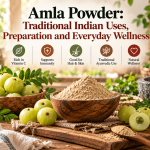
The traditional Triphala combination consists of amla, haritaki, and bibhitaki. Each fruit has its own history in Ayurvedic practices. Amla is known as Indian gooseberry and has a naturally sour character. Haritaki and bibhitaki are also traditional botanical ingredients used in Indian herbal preparations. The combination of three fruits is what gives Triphala its distinctive identity. The powder may have an earthy, slightly bitter or sour taste, which is characteristic of many herbal preparations. Some traditional routines involve mixing it with water, while other methods vary according to individual preference and product instructions. The quantity should always follow the product's recommended directions rather than generic advice.
Consumers should approach Triphala thoughtfully. Although it has a long history in traditional Ayurveda, traditional use does not mean it can treat every condition associated with it online. People with medical conditions, those taking medication, and pregnant or breastfeeding individuals should consult an appropriate healthcare professional before using herbal products regularly. If an unexpected reaction occurs, discontinue use and seek medical advice. Selecting properly labeled products and following storage instructions are also important. Avoid making homemade mixtures without understanding the ingredients and their appropriate proportions.


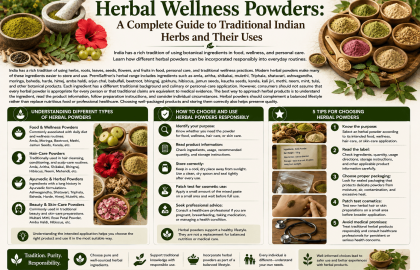
India has a rich tradition of using botanical ingredients in food, wellness, and personal care. Learn...
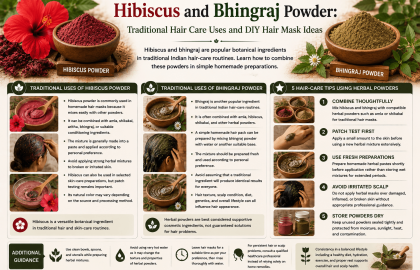
Hibiscus and bhingraj are popular botanical ingredients in traditional Indian hair-care routines. Learn how to combine...
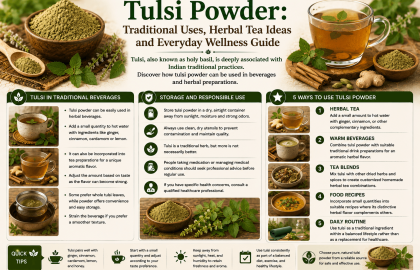
Tulsi, also known as holy basil, is deeply associated with Indian traditional practices. Discover how tulsi...