Hibiscus and bhingraj are two well-known botanical ingredients used in traditional Indian hair-care practices. Hibiscus flowers and leaves are valued for their natural plant compounds and are often incorporated into homemade hair masks and preparations. Bhingraj, traditionally associated with Eclipta species, is another familiar herb in Indian hair-care traditions. Both ingredients are available in powdered form, making them convenient for homemade applications. Their popularity comes from generations of traditional use rather than a guarantee of specific cosmetic or medical outcomes. A simple hair mask can be prepared by mixing the powders with water, aloe-based ingredients, yogurt, or another suitable base depending on personal preference. However, everyone's scalp and hair are different, so a patch test is sensible before applying a new mixture. People with persistent scalp conditions or significant hair loss should seek professional advice rather than relying solely on homemade herbal treatments. Proper storage is also important because powdered botanicals can absorb moisture.
Hibiscus powder is commonly used in homemade hair masks because it mixes easily with other powders. It can be combined with amla, shikakai, aritha, bhingraj, or suitable conditioning ingredients. The mixture is generally made into a paste and applied according to personal preference. Avoid applying strong herbal mixtures to broken or irritated skin. Hibiscus can also be used in selected skin-care preparations, but patch testing remains important. Its natural color may vary depending on the source and processing method.
Bhingraj is another popular ingredient in traditional Indian hair-care routines. It is often combined with amla, hibiscus, shikakai, and other herbal powders. A simple homemade hair pack can be prepared by mixing bhingraj powder with water or another suitable base. The mixture should be prepared fresh and used according to personal preference. Avoid assuming that a traditional ingredient will produce identical results for everyone. Hair texture, scalp condition, diet, genetics, and overall lifestyle can all influence hair appearance. Herbal powders are best considered supportive cosmetic ingredients rather than guaranteed solutions for hair problems.

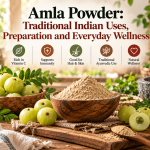
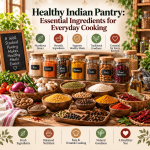
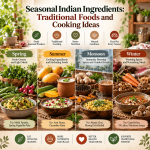
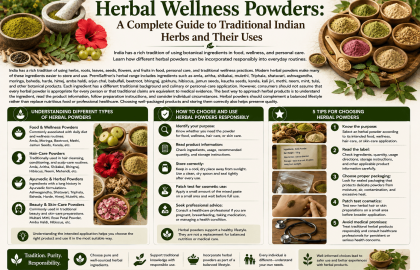
India has a rich tradition of using botanical ingredients in food, wellness, and personal care. Learn...
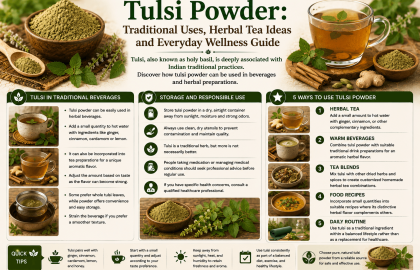
Tulsi, also known as holy basil, is deeply associated with Indian traditional practices. Discover how tulsi...
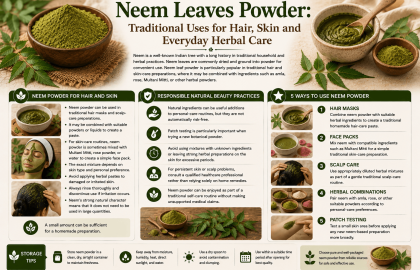
Neem has a long history in Indian traditional practices. Learn how neem leaf powder can be...