Neem is a well-known Indian tree with a long history in traditional household and herbal practices. Neem leaves are commonly dried and ground into powder for convenient use. Neem leaf powder is particularly popular in traditional hair and skin-care preparations, where it may be combined with ingredients such as amla, rose, Multani Mitti, or other herbal powders. The ingredient has a naturally earthy character and should be used carefully according to the intended application. Traditional use does not automatically establish that neem can treat skin diseases, infections, or other medical conditions. For cosmetic use, neem powder can simply be considered a botanical ingredient in homemade preparations. People with sensitive skin should perform a patch test before applying any new herbal mixture. The powder should also be stored in a clean, dry, airtight container to protect it from moisture and contamination.
Neem powder can be used in traditional hair masks and scalp-care preparations. It may be combined with suitable powders or liquids to create a paste. For skin-care routines, neem powder is sometimes mixed with Multani Mitti, rose powder, or water to create a simple face pack. The exact mixture depends on skin type and personal preference. Avoid applying herbal pastes to damaged or irritated skin. Always rinse thoroughly and discontinue use if irritation occurs. Neem's strong natural character means that it does not need to be used in large quantities. A small amount can be sufficient for a homemade preparation.
Natural ingredients can be useful additions to personal-care routines, but they are not automatically risk-free. Patch testing is particularly important when trying a new botanical powder. Avoid using mixtures with unknown ingredients or leaving strong herbal preparations on the skin for excessive periods. For persistent skin or scalp problems, consult a qualified healthcare professional rather than relying solely on home remedies. Neem powder can be enjoyed as part of a traditional self-care routine without making unsupported medical claims.

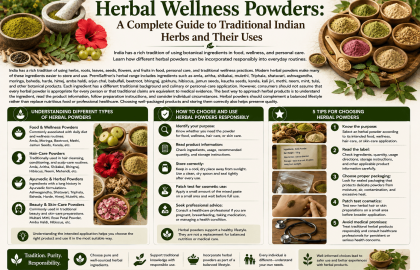
India has a rich tradition of using botanical ingredients in food, wellness, and personal care. Learn...
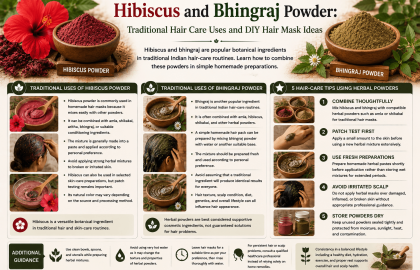
Hibiscus and bhingraj are popular botanical ingredients in traditional Indian hair-care routines. Learn how to combine...
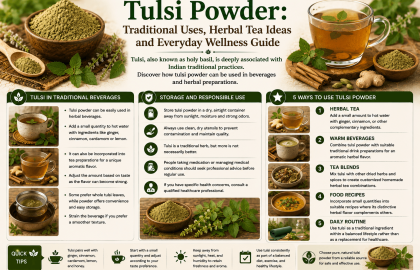
Tulsi, also known as holy basil, is deeply associated with Indian traditional practices. Discover how tulsi...