Shatavari is a traditional Indian herb that has a long association with Ayurveda and herbal wellness practices. It is commonly prepared as a powdered ingredient and has traditionally been incorporated into different formulations. Modern consumers often explore shatavari because of growing interest in traditional botanical ingredients and plant-based wellness. However, information about herbs should be presented responsibly. Traditional use does not automatically establish that an ingredient can treat or prevent a medical condition. Shatavari powder should therefore be viewed as a traditional herbal ingredient rather than a replacement for medical treatment. People interested in using it regularly should review product instructions and consider professional advice when necessary. Herbal powders can differ in processing, concentration, and quality, making standardized recommendations difficult. Proper storage is also important because powders can absorb moisture and odors from their surroundings. Keeping the product tightly sealed and dry helps maintain its condition. Shatavari can be included in traditional preparations according to suitable instructions, making it a convenient ingredient for people interested in exploring India's herbal traditions.
Shatavari has traditionally been associated with women's wellness and general vitality in Ayurvedic practices. However, modern product descriptions should avoid promising specific medical outcomes. Traditional herbal systems often use plants within broader dietary and lifestyle approaches. Shatavari powder may be mixed with suitable beverages or incorporated into traditional preparations. Some people prefer warm milk-based preparations because the mild preparation can make powdered herbs easier to consume. The exact quantity should depend on the product instructions and individual circumstances. Consumers should not assume that a higher quantity provides greater benefits. More is not necessarily better when using concentrated herbal ingredients. Before beginning a new herbal routine, particularly during pregnancy, breastfeeding, medication use, or existing health conditions, professional advice is appropriate.
When purchasing shatavari powder, consumers should consider packaging, labeling, ingredient information, and seller reliability. The product should be protected from moisture and contamination. After opening, keep it in a tightly sealed container in a cool, dry location. Avoid using wet spoons or storing the powder near steam. Responsible purchasing also means avoiding products that promise unrealistic or guaranteed medical results. A trustworthy product description should explain the ingredient without making unsupported claims.


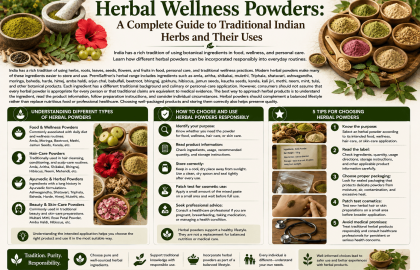
India has a rich tradition of using botanical ingredients in food, wellness, and personal care. Learn...
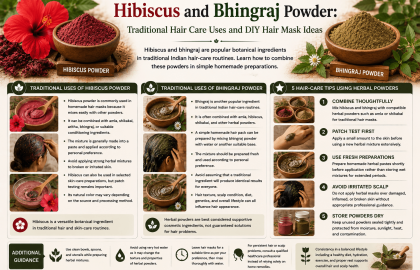
Hibiscus and bhingraj are popular botanical ingredients in traditional Indian hair-care routines. Learn how to combine...
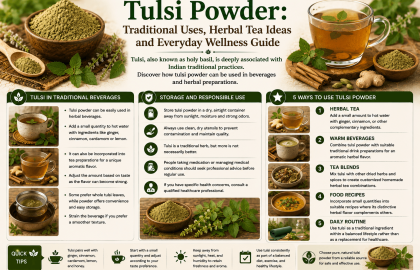
Tulsi, also known as holy basil, is deeply associated with Indian traditional practices. Discover how tulsi...