Saffron, or kesar, has been valued for generations because of its distinctive aroma, golden color, and delicate flavor. It is one of the most recognizable premium spices used in Indian cuisine and appears in many traditional preparations. From creamy desserts and saffron milk to rice dishes, beverages, and festive sweets, only a small quantity can add a noticeable character to food. When people search for “saffron benefits,” they may be referring to culinary, traditional, or general wellness uses. It is important to distinguish traditional uses from scientifically established medical claims. Saffron should not be presented as a replacement for medical treatment or a balanced diet. Instead, it can be appreciated as a flavorful spice that contributes aroma, color, and culinary variety. Traditionally, saffron has been associated with milk-based preparations, festive foods, desserts, and special occasions. Its unique character also makes it suitable for both sweet and savory recipes. Many families use a few strands in warm milk, while others add it to kheer, kulfi, shrikhand, biryani, pulao, or saffron-flavored beverages. The best way to use saffron depends on the recipe and personal preference. Because it is highly aromatic, using a small quantity is generally enough to enhance a preparation without overpowering the other ingredients.
One of the most familiar uses of saffron in India is saffron milk. A few strands can be gently soaked in warm milk before being added to the preparation. This allows the characteristic aroma and color to develop gradually. Saffron is also popular in traditional Indian desserts. Kheer, basundi, kulfi, rasmalai, shrikhand, peda, halwa, and other sweets can benefit from its distinctive flavor. In savory dishes, saffron may be incorporated into biryani, pulao, rice preparations, and selected sauces. Its subtle flavor works particularly well when combined with ingredients such as cardamom, nuts, rose, and milk. Saffron is also used in beverages such as kesar tea and festive milk drinks. The spice has cultural importance as well, frequently appearing in recipes prepared during celebrations and special occasions. When using saffron, preparation technique matters. Many cooks prefer soaking the threads in warm milk or water before adding them to food. Crushing the threads lightly before soaking can help release their aroma, although the exact method depends on the recipe. Avoid using excessive heat for long periods when preparing delicate saffron-based recipes because the goal is to preserve its characteristic aroma and flavor. Using saffron thoughtfully allows its natural qualities to complement the other ingredients rather than dominate them.
Saffron is sometimes discussed in connection with general wellness, but consumers should be cautious about exaggerated health claims. Traditional use does not automatically establish a medical benefit, and saffron should not be considered a treatment for diseases. A healthy lifestyle still depends on a balanced diet, adequate sleep, regular physical activity, hydration, and appropriate medical care when necessary. Saffron can simply be included as a flavorful ingredient in a varied diet. Its premium nature also means that it is generally used in small amounts. This makes it easy to incorporate into special recipes without changing the overall character of a meal. When selecting saffron for culinary use, quality and storage remain important. Properly stored saffron can retain its characteristic aroma and appearance better than product exposed to moisture, heat, or strong odors. Consumers should purchase from reliable sources and follow the product's recommended storage instructions. People who are pregnant, taking medication, or considering concentrated saffron supplements should seek appropriate professional advice rather than assuming that culinary use and concentrated supplementation are equivalent. For everyday cooking, however, saffron can be enjoyed as part of traditional recipes and balanced meals. Its cultural history, distinctive sensory qualities, and versatility make it an interesting addition to the kitchen.
Saffron is more than an expensive spice; it is an ingredient with a rich culinary and cultural identity. Its distinctive aroma, color, and flavor make it suitable for many traditional Indian recipes, from saffron milk and desserts to biryani and festive beverages. While many traditional claims surround saffron, it is best to enjoy the ingredient primarily as part of a balanced diet rather than treating it as a medical remedy. By using appropriate quantities, selecting good-quality saffron, and storing it properly, households can enjoy the unique character of kesar in everyday and special-occasion cooking.

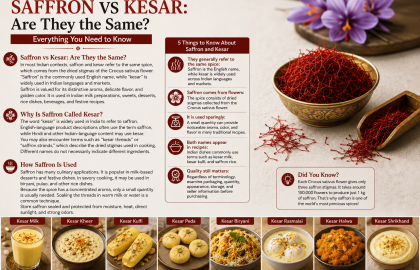
Saffron and kesar are two commonly used names for the same premium spice. Learn about its...
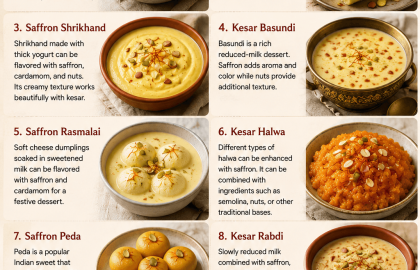
Saffron is a favorite ingredient in Indian desserts because its aroma and golden color pair beautifully...
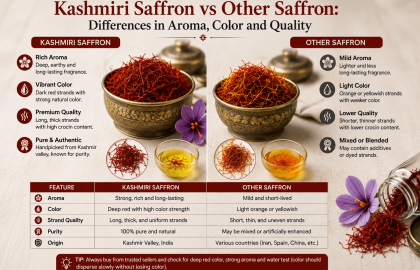
Saffron is produced in different regions and can vary in appearance, aroma, flavor, and quality. Learn...