Saffron is cultivated in different parts of the world, and its characteristics can vary according to growing conditions, cultivation practices, harvesting, drying, grading, and storage. Kashmiri saffron is particularly well known in India because Kashmir has a long association with saffron cultivation. Consumers may also encounter saffron originating from other countries and regions. When comparing saffron varieties, it is important not to reduce the decision to a simple statement that one origin is automatically “best.” Quality can vary within the same region, and different saffron products may suit different culinary requirements. Buyers should instead examine measurable and observable characteristics such as thread appearance, aroma, color, purity, packaging, traceability, and applicable quality information. Kashmiri saffron is traditionally associated with the Kashmir region and is valued for its culinary and cultural significance. Other saffron-growing regions also produce high-quality products with their own characteristics. The most useful comparison therefore focuses on the product itself rather than relying entirely on origin. For consumers shopping online, product descriptions and packaging information become especially important. If the product is marketed based on a specific origin, buyers should look for clear information rather than vague geographic claims.
Kashmiri saffron has a long history within Indian agriculture and culinary culture. The Pampore area of Kashmir is particularly associated with saffron cultivation. The region's climate, soil, and traditional cultivation practices contribute to the identity of Kashmiri saffron. Consumers often recognize Kashmiri saffron by its deep red appearance and distinctive aroma, although visual characteristics alone cannot definitively establish origin or authenticity. The quality of saffron is influenced by factors beyond geography, including harvesting maturity, drying, handling, and storage. Saffron stigmas are delicate and require careful processing. Once harvested, they are dried to create the familiar threads used in cooking. Proper storage after drying is equally important because environmental exposure can affect aroma and overall quality. When purchasing Kashmiri saffron, look for transparent information about origin and product handling. Appropriate labeling and packaging can provide more confidence than unsupported claims. If you are purchasing saffron for traditional Indian recipes, Kashmiri saffron can be an appealing choice because of its cultural connection and culinary reputation. However, buyers should still assess the actual product rather than assuming every product labeled “Kashmiri” has identical quality.
Origin is only one part of saffron quality. A thoughtful comparison should consider the appearance of the threads, aroma, dryness, cleanliness, packaging, and product information. Saffron should generally be stored in conditions that protect it from moisture, heat, direct light, and strong odors. Poor storage can reduce desirable characteristics regardless of where the saffron originated. Consumers should also understand that saffron grading systems may use specific technical criteria, and terminology can vary between markets. When purchasing online, look for detailed product descriptions and appropriate labeling. Avoid assuming that a higher price always indicates superior quality. Price can be influenced by origin, packaging, brand positioning, availability, and market conditions. For everyday cooking, the best saffron is the product that meets your quality expectations and suits your recipe and budget. Whether you choose Kashmiri saffron or saffron from another region, purchasing from a reputable source is important. If you are comparing two products, examine the net quantity, product form, packaging, and stated origin before comparing prices.

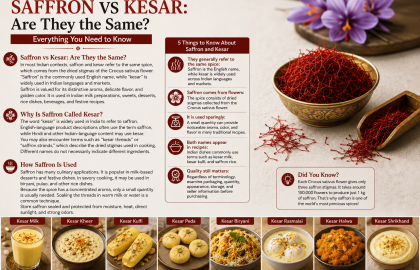
Saffron and kesar are two commonly used names for the same premium spice. Learn about its...
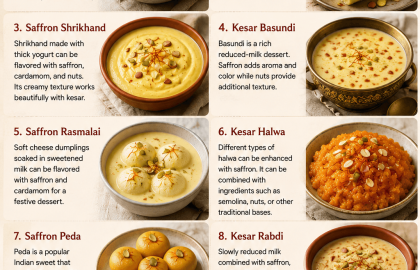
Saffron is a favorite ingredient in Indian desserts because its aroma and golden color pair beautifully...
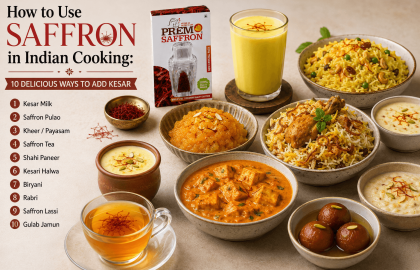
Saffron can transform ordinary recipes with its distinctive aroma, golden color, and delicate flavor. Explore practical...