Saffron is one of the most versatile premium spices used in Indian cuisine. Known as kesar in many Indian households, it contributes a distinctive fragrance, warm golden color, and subtle flavor to both sweet and savory dishes. It is especially popular during festivals, celebrations, weddings, and family gatherings, when traditional recipes are prepared with premium ingredients. Saffron can be used in simple everyday preparations as well as elaborate dishes. Some of the most familiar examples include saffron milk, kheer, kulfi, shrikhand, biryani, pulao, halwa, basundi, rasmalai, and festive rice dishes. Because saffron is concentrated, a small quantity can provide noticeable character. One of the most useful preparation techniques is soaking the strands before adding them to a recipe. Soaking in warm milk or water helps distribute the color and aroma more evenly. The exact method varies depending on the dish. For rice dishes, saffron milk may be drizzled over partially cooked rice. For desserts, the infusion can be incorporated into the milk base. For beverages, the soaked strands can simply be mixed into warm milk. Understanding these basic techniques allows you to experiment with saffron without wasting the spice.
Biryani is one of the most popular savory dishes associated with saffron. Kesar can be used to add aroma and a beautiful golden accent to the rice. A common approach is to soak a few saffron strands in warm milk and drizzle the infusion over the partially cooked rice before final cooking. This allows the saffron to distribute gradually through the dish. Saffron can also be used in pulao and other festive rice recipes. The goal is not to make the entire dish strongly flavored with saffron but to add a subtle aromatic layer. Saffron pairs well with ingredients such as cardamom, cinnamon, cloves, nuts, and milk. These combinations are common in Indian cooking and can create a balanced flavor profile. When preparing savory dishes, use saffron carefully because too much can interfere with the other spices. It is also important to consider when the saffron is added. Long exposure to excessive heat may affect its delicate aroma, so many recipes incorporate saffron during the later stages of cooking or as part of a finishing infusion. Experimenting with small quantities is the easiest way to understand how saffron behaves in different recipes.
Saffron is particularly popular in Indian desserts because its aroma complements dairy, nuts, sugar, and cardamom. Kheer, kulfi, basundi, shrikhand, rasmalai, peda, and halwa can all be prepared with saffron. Kesar milk is another simple option for beginners. For desserts, saffron can be soaked in warm milk before being incorporated into the mixture. This helps spread the color and aroma throughout the preparation. Saffron can also be combined with almonds, pistachios, cashews, rose, and cardamom. These ingredients create classic Indian flavor combinations. During festivals, saffron may be used in special sweets prepared for family gatherings and celebrations. If you are trying saffron for the first time, begin with a simple recipe such as saffron milk or kheer. Once you understand its aroma and intensity, you can experiment with more complex preparations. Keep your saffron properly stored between uses so the remaining threads retain their characteristic quality.
Saffron can be incorporated into many Indian dishes without complicated techniques. The most important principles are using a suitable quantity, soaking the threads properly, and adding them at an appropriate stage of cooking. From biryani and pulao to kheer, kulfi, and saffron milk, there are countless ways to enjoy kesar. Its unique aroma makes even simple recipes feel special, which is why saffron remains a popular ingredient for festive and traditional Indian cooking.


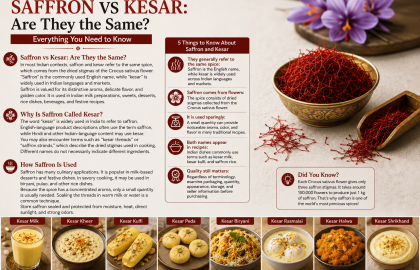
Saffron and kesar are two commonly used names for the same premium spice. Learn about its...
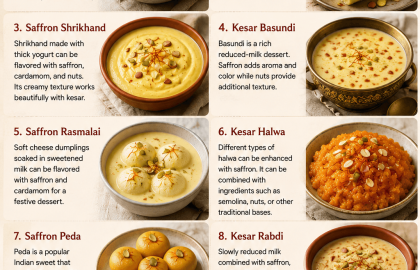
Saffron is a favorite ingredient in Indian desserts because its aroma and golden color pair beautifully...
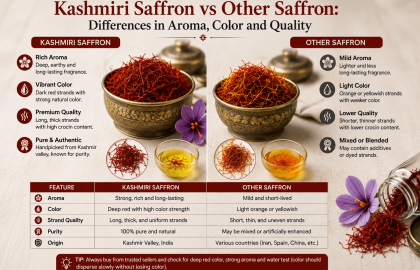
Saffron is produced in different regions and can vary in appearance, aroma, flavor, and quality. Learn...