Moringa is a plant widely used as a food and traditional herbal ingredient in many regions. Moringa leaf powder is made by drying and grinding the leaves into a convenient form. It has become popular among consumers interested in plant-based foods and traditional wellness ingredients. Moringa powder can be incorporated into smoothies, soups, vegetables, dals, chutneys, and other recipes depending on personal preference. It has a distinctive green color and an earthy flavor, so small quantities can be useful when introducing it into meals. Moringa leaves contain various nutrients, but consumers should avoid treating the powder as a substitute for a balanced diet. Nutritional composition can vary depending on growing conditions, processing, and storage. A varied diet remains the foundation of good nutrition. Moringa powder is best viewed as one plant ingredient that can contribute variety to meals. Proper storage is also important because moisture and prolonged exposure to air can affect powdered leaf products.
Moringa powder can be added to many everyday foods. A small amount can be stirred into dal, soups, sauces, or vegetable preparations. It can also be incorporated into smoothies or other beverages when its earthy taste is acceptable. Some people use it in homemade chutneys and seasoning mixes. Because the powder has a strong green appearance, it can also be used creatively in recipes where a natural green ingredient is suitable. When adding moringa to cooked foods, consider the recipe's flavor profile and add it gradually. Combining it with lemon, spices, herbs, or other ingredients can create more balanced flavors. The powder should be stored in an airtight container away from moisture, heat, and sunlight.
Moringa is sometimes promoted online as a solution for numerous health problems. Such claims should be approached carefully. A single food ingredient cannot replace a balanced diet or professional medical care. If you have a health condition or take medication, discuss regular use of concentrated plant powders with an appropriate healthcare professional. For healthy individuals, moringa can be explored as a culinary ingredient that adds variety to meals. The easiest way to include it is through small quantities in familiar recipes rather than treating it as a complete nutritional solution.

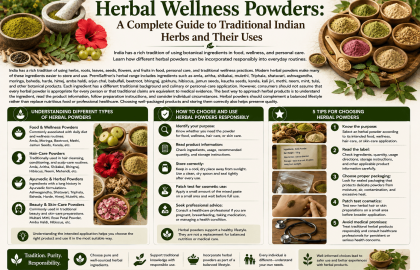
India has a rich tradition of using botanical ingredients in food, wellness, and personal care. Learn...
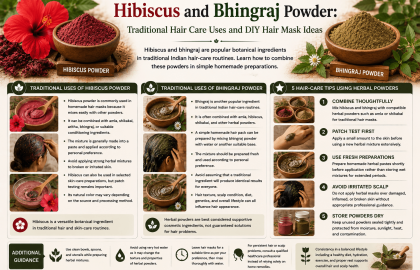
Hibiscus and bhingraj are popular botanical ingredients in traditional Indian hair-care routines. Learn how to combine...
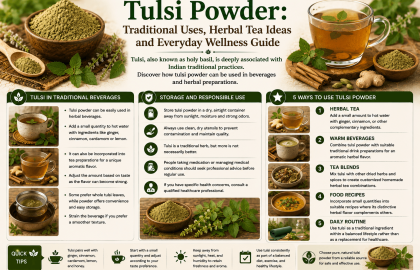
Tulsi, also known as holy basil, is deeply associated with Indian traditional practices. Discover how tulsi...