Saffron is a delicate spice that deserves careful storage after purchase. Its characteristic aroma, color, and flavor can be affected by environmental conditions such as moisture, excessive heat, direct light, and exposure to air. Proper storage is therefore particularly important because saffron is normally used in small quantities and a pack may remain in the kitchen for an extended period. Many consumers purchase a small pack and use only a few strands at a time. If the container is repeatedly opened and left exposed, the saffron may gradually lose some of its desirable qualities. The best storage approach is simple: keep saffron tightly sealed, dry, protected from direct sunlight, and away from strong odors. Saffron can absorb surrounding aromas, so it should not be stored next to strongly scented ingredients without proper packaging. A suitable container should provide a good barrier against moisture and air. The original packaging may be appropriate if it can be resealed securely. Otherwise, an airtight container designed for spices can be useful. Storage conditions are especially important in warm or humid environments. Keeping saffron away from areas directly above a stove or near steam can help protect its quality. With a few simple habits, households can make better use of their saffron and reduce unnecessary waste.
The container plays an important role in saffron storage. An airtight glass container, metal container, or suitable food-safe storage box can help protect the threads from moisture and air. The container should be clean, completely dry, and free from strong odors before saffron is placed inside. Avoid storing saffron in a container that previously held strongly aromatic ingredients unless it has been thoroughly cleaned and dried. The goal is to preserve the natural fragrance of the saffron rather than allowing it to absorb another smell. Keep the container closed except when removing the amount needed for a recipe. Repeatedly opening the container allows air and moisture from the surrounding environment to enter. In humid kitchens, this can be particularly relevant. If the saffron comes in specialized protective packaging, keeping it in its original package until needed may be preferable. Always follow the manufacturer's storage instructions when they are provided. Do not expose saffron to direct sunlight for long periods because light can affect delicate spices over time. A dark cupboard away from the cooking area is often a practical location. The refrigerator is not always necessary for ordinary household storage, and moving saffron repeatedly between cold and warm environments may introduce condensation if the container is not properly sealed.
Heat and moisture are two common storage concerns in Indian kitchens. A cupboard directly above the stove may seem convenient, but it can expose saffron to repeated temperature changes and cooking steam. Instead, select a cool, dry cupboard or drawer away from direct heat. Moisture should also be avoided because saffron threads are dried botanical material and should remain dry. Never place a wet spoon into the container. If you are measuring saffron near a steaming pot, remove the required quantity first and close the container before continuing to cook. Strong odors from spices, coffee, onions, or other ingredients can also affect delicate aromatic products if storage is inadequate. A well-sealed container provides a useful barrier. Check the saffron occasionally for changes in appearance, moisture, or smell. If the product develops visible mold or signs of contamination, it should not be consumed. Always follow the product's stated best-before information and storage instructions. Proper storage cannot make an old product new again, but it can help maintain its quality throughout its intended shelf life. Buying quantities that match your consumption is another useful strategy. If you only use saffron occasionally, smaller packs may be more convenient.
Storing saffron correctly does not require complicated equipment. A clean airtight container, a cool and dry location, and protection from light, moisture, heat, and strong odors are usually the most important considerations. Proper storage helps preserve the qualities that make saffron special and can reduce unnecessary waste. Whether you purchase a 1/4 gram pack or a larger quantity, good storage habits ensure that every future recipe can benefit from your saffron.





Saffron and kesar are two commonly used names for the same premium spice. Learn about its...

Saffron is a favorite ingredient in Indian desserts because its aroma and golden color pair beautifully...
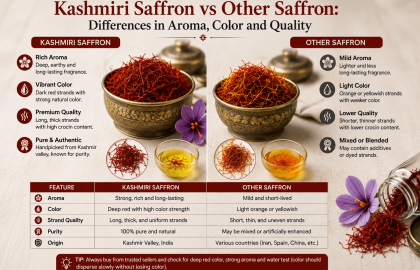
Saffron is produced in different regions and can vary in appearance, aroma, flavor, and quality. Learn...