Saffron is unlike many common spices because only a small quantity is typically required to add noticeable aroma, color, and flavor. This is one reason saffron is usually sold in quantities such as 1/4 gram, 1/2 gram, 1 gram, and larger packs. For someone new to cooking with saffron, deciding how many strands to use can be confusing. There is no single quantity that works for every recipe because the amount depends on the dish, serving size, saffron quality, preparation method, and personal preference. A small amount may be enough for a cup of milk, while a larger recipe serving several people may require more. It is better to begin conservatively and adjust future recipes than to add too much at once. Saffron has a distinctive character that should complement the dish rather than dominate it. Another important factor is how the saffron is prepared. Soaking the strands in warm milk or water can distribute their aroma and color more effectively than simply adding dry threads directly to a large recipe. The threads can also remain in the finished dish for visual appeal. Understanding quantities becomes easier when saffron is thought of as a finishing or flavor-enhancing ingredient rather than a bulk spice.
Saffron milk is one of the easiest preparations for understanding saffron quantity. For a single serving, several saffron strands can be soaked in warm milk before being combined with the rest of the drink. The exact number depends on the size and strength of the strands and the desired intensity. If you are preparing saffron milk for a family, scale the quantity gradually rather than adding a large amount immediately. For beverages such as kesar tea or other milk-based drinks, a few strands may provide enough aroma and color. The soaking period is also important because saffron releases its natural properties gradually into the liquid. Approximately 10 to 15 minutes of soaking in warm milk can be useful for many preparations. Remember that saffron quality varies, so strand count should not be treated as a scientific measurement. Weight is a more consistent measurement when precision is important, especially for larger recipes or commercial cooking. A kitchen scale capable of measuring small quantities can be useful for regular saffron users. For home cooking, however, using a few strands and adjusting according to taste is usually practical. Avoid assuming that more saffron automatically means better flavor. Excessive saffron can make a recipe unbalanced and may not provide the result you expect.
Saffron is widely used in biryani, pulao, kheer, kulfi, halwa, shrikhand, basundi, rasmalai, and other Indian dishes. The appropriate quantity depends on the recipe size and the role saffron plays in the dish. In a large rice dish, saffron is often used as a fragrant finishing ingredient. It can be soaked in warm milk or water and then drizzled over the rice. For desserts, saffron can be incorporated into the milk base or sugar mixture depending on the preparation. Recipes serving more people generally require a larger amount, but proportional scaling is preferable to excessive addition. If a recipe calls for a specific quantity, follow that measurement and adjust only after you understand the strength of your saffron. Saffron is a premium ingredient, so careful use also helps avoid waste. Once opened, store the remaining threads in a tightly sealed container in a cool, dry, dark place. Avoid exposing them to steam or moisture from the kitchen. With proper storage, a small quantity can remain useful across many recipes.
There is no universal answer to how much saffron should be used because recipes and personal preferences differ. The best approach is to begin with a small quantity, soak the threads properly, and adjust future preparations based on the result. Whether you are preparing saffron milk, biryani, kheer, kulfi, or another recipe, understanding the relationship between quantity and serving size helps you use this premium spice efficiently. Proper storage also ensures that every small quantity retains its characteristic aroma and flavor.


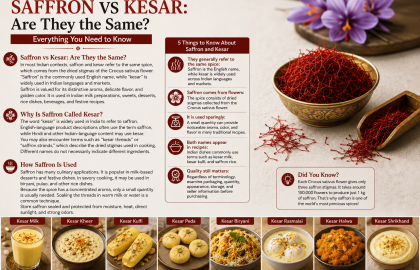
Saffron and kesar are two commonly used names for the same premium spice. Learn about its...
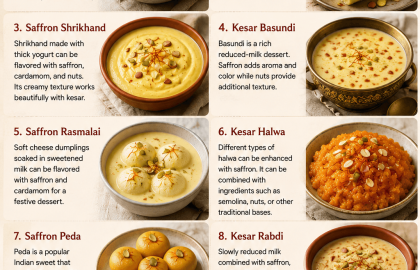
Saffron is a favorite ingredient in Indian desserts because its aroma and golden color pair beautifully...
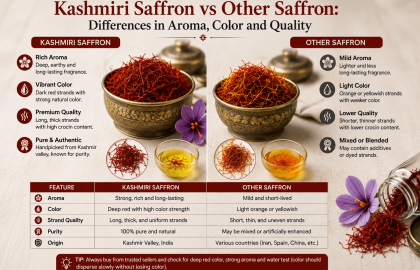
Saffron is produced in different regions and can vary in appearance, aroma, flavor, and quality. Learn...