Rose petals have long been associated with traditional Indian beauty and personal-care practices. Dried rose petals can be ground into powder, creating a convenient botanical ingredient for homemade face masks and other cosmetic preparations. Rose petal powder is valued for its pleasant fragrance and can be combined with ingredients such as Multani Mitti, water, or other suitable botanical powders. While traditional users may associate rose preparations with a soothing or refreshing skin-care experience, these traditional uses should not be presented as guaranteed treatments for skin problems. Everyone's skin responds differently to cosmetic ingredients. A patch test is therefore important before applying a new preparation to the face. Rose powder should also be stored carefully because moisture can affect dried botanical products. For a simple routine, use a small quantity, create a fresh paste, apply gently, and rinse thoroughly.
A simple rose powder face pack can be prepared by mixing rose petal powder with clean water. For a clay-based preparation, combine rose powder with Multani Mitti. The consistency should be smooth and easy to apply. Avoid applying the mixture around the eyes or to damaged skin. Homemade preparations should be used immediately rather than stored. If the skin feels irritated, dry, or uncomfortable, discontinue the preparation. There is no need to use large quantities because a thin, even application is generally easier to manage.
Rose powder and Multani Mitti are frequently combined in traditional face-pack recipes. The combination offers a simple way to bring two familiar Indian beauty ingredients together. You can adjust the proportions according to the desired texture, but start with a small amount. People with dry or sensitive skin may find clay masks less comfortable than those with oilier skin, so personal response should guide usage. Always moisturize appropriately after rinsing if your skin feels dry.

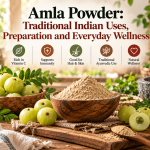

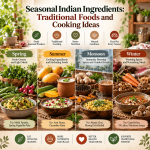
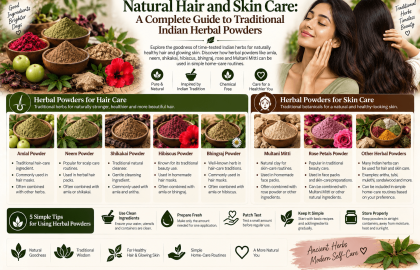
Traditional Indian beauty routines use a wide range of botanical powders for hair and skin care....
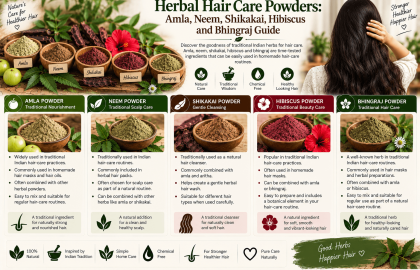
Indian herbal traditions use many plant powders in hair-care routines. Learn how amla, neem, shikakai, hibiscus,...
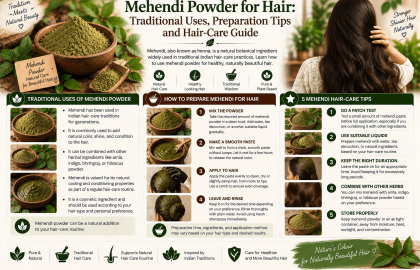
Mehendi, also known as henna, has a long history in Indian beauty traditions. Discover how natural...