Traditional Indian beauty practices have long used botanical ingredients such as amla, neem, hibiscus, rose petals, shikakai, aritha, bhingraj, mehendi, and Multani Mitti. Today, these ingredients are often available as ready-to-use powders, making them easier to incorporate into homemade routines. Amla and hibiscus are commonly associated with traditional hair masks, while shikakai and aritha are frequently used in hair-cleansing preparations. Neem and bhingraj also have a long history in traditional hair-care routines. For skin care, Multani Mitti and rose petal powder are popular ingredients in homemade face packs. Mehendi is traditionally used for hair coloring and cultural body-art practices. Each botanical ingredient has a distinct purpose, and using them thoughtfully is more useful than mixing everything together. Natural ingredients are not automatically suitable for every skin or hair type. Patch testing should therefore be part of any new routine. Persistent skin conditions, severe scalp irritation, or significant hair loss should be evaluated by qualified professionals rather than treated solely with homemade herbal preparations.
A basic traditional hair routine can include a cleansing step followed by occasional herbal masking. Shikakai or aritha can be used in suitable diluted preparations when a traditional botanical cleanser is desired. Amla, hibiscus, or bhingraj can be incorporated into occasional hair masks. The frequency should depend on hair type and how the scalp responds. Avoid using multiple strong preparations at the same time. For people with chemically treated or highly sensitive hair, professional guidance can be useful before introducing new herbal products. Proper storage of dry powders is also essential. Moisture can affect their quality and make them difficult to use.
For skin care, Multani Mitti can be combined with rose petal powder to create a traditional face pack. The mixture should be applied gently and removed before the skin becomes excessively dry or uncomfortable. Rose powder can also be used independently in simple botanical preparations. Avoid applying homemade masks to irritated, damaged, or recently treated skin. Patch test every new combination. Natural skin care should remain simple: gentle cleansing, appropriate moisturizing, and protection from environmental exposure are more important than constantly changing products. Herbal powders can be occasional additions rather than the foundation of an entire skin-care routine.

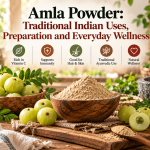

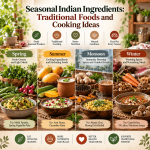
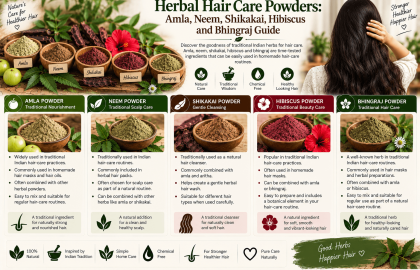
Indian herbal traditions use many plant powders in hair-care routines. Learn how amla, neem, shikakai, hibiscus,...
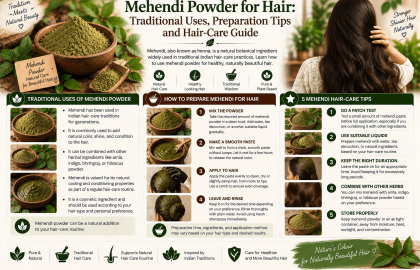
Mehendi, also known as henna, has a long history in Indian beauty traditions. Discover how natural...
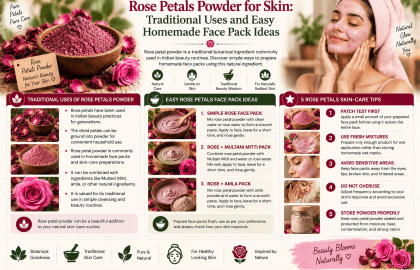
Rose petal powder is a fragrant botanical ingredient used in traditional Indian beauty routines. Learn how...